Reward Pathway Connections in Online Wagering Ecosystems Shape Retention Trends
Ellis Baumann · Jun 6, 2026
Reward Pathway Connections in Online Wagering Ecosystems Shape Retention Trends
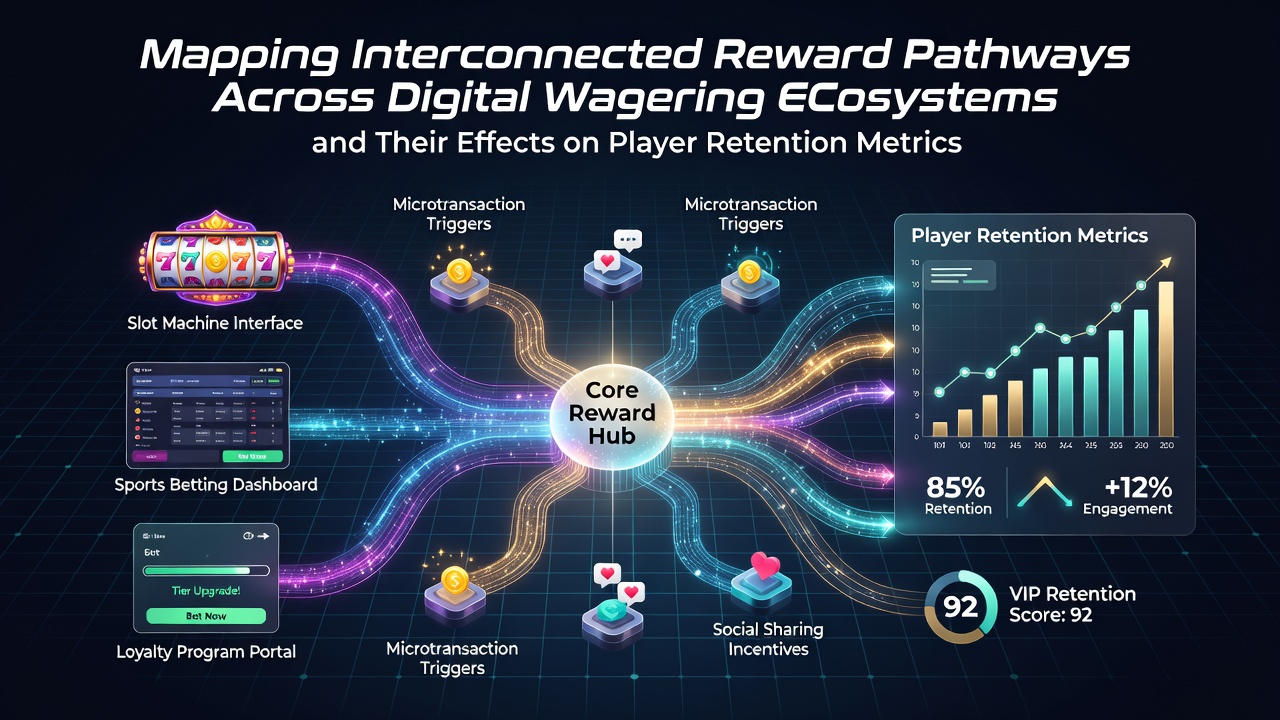
Digital wagering ecosystems have developed complex networks where reward mechanisms from slots, sports betting interfaces, and table games feed into shared player profiles, and these linkages create measurable effects on retention metrics across multiple platforms. Researchers at institutions tracking global gambling data have mapped how points earned in one vertical transfer to bonuses in another, which in turn influences session length and repeat visit rates according to aggregated platform analytics released in early 2026.
Structure of Interconnected Reward Systems
Platforms operating across several product lines now route loyalty points through centralized ledgers that update in real time, so a player completing a sports bet might automatically unlock free spins on partnered slot titles while the same account receives targeted table game offers based on prior activity. Data from multi-jurisdictional operators shows these cross-product transfers occur through API connections that standardize point values, and such standardization reduces friction for users who move between game types within a single session or across separate visits.
Analysts examining retention patterns note that accounts participating in at least three interconnected reward streams demonstrate higher 30-day return rates than single-product users, and the difference becomes more pronounced when rewards accumulate toward tiered status levels that unlock higher-value redemptions. June 2026 reports from North American and European operators indicate similar patterns emerging after software updates that synchronized point accrual rules across mobile and desktop environments.
Effects on Player Retention Metrics
Retention metrics tracked by industry groups include metrics such as day-one return, weekly active users, and lifetime value calculations, and interconnected rewards appear to lift each of these figures when pathways allow seamless movement between verticals. One study covering operators in regulated markets found that players receiving cross-promotional offers within 24 hours of an initial deposit showed a 14 percent increase in seven-day retention compared with control groups that received only single-product incentives.
Those who studied these systems point out that retention gains concentrate among mid-tier players rather than high-volume or low-activity accounts, because mid-tier users respond to modest reward escalations that feel attainable yet meaningful. Platform data further reveals that retention curves flatten when reward pathways become overly complex, leading some operators to simplify redemption rules while preserving the underlying connections between different game categories.
Regional Variations in Pathway Implementation
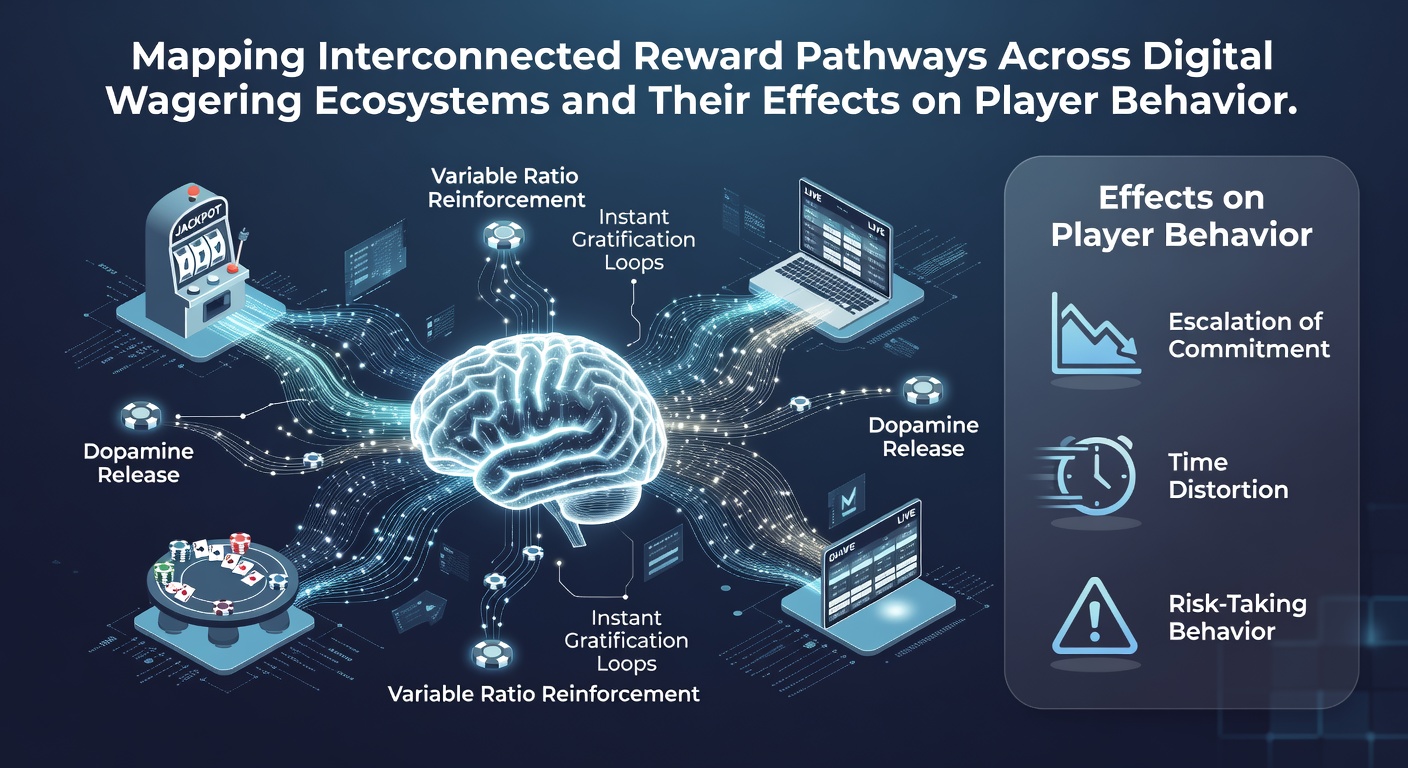
Operators licensed in multiple regions adapt reward mapping strategies to local regulations, which means pathways available to Australian users may differ from those offered in Canadian provinces or U.S. states with active online markets. Government statistical releases from Australia’s gambling research bodies have documented how point pooling across state lines correlates with longer average player lifespans, whereas certain U.S. jurisdictions limit cross-product transfers to maintain separation between sports betting and casino-style offerings.
European operators, facing varying national rules, often maintain separate ledgers that still share player identification data, and this hybrid approach allows retention benefits without full point interoperability. Observers tracking these differences report that retention uplifts remain consistent across regions even when full interconnection is restricted, suggesting that partial linkage through shared loyalty tiers produces measurable effects without requiring complete system integration.
Measurement Challenges and Data Sources
Quantifying the precise contribution of interconnected rewards to retention requires isolating variables such as bonus size, game volatility, and external marketing, yet several academic and industry reports have applied regression models to large datasets to estimate these impacts. Figures from research institutions in Canada and Australia indicate that each additional linked reward pathway contributes between 3 and 7 percent to weekly retention rates when other factors remain constant, though confidence intervals widen for smaller player cohorts.
Trade associations compiling anonymized operator data continue to refine methodologies for tracking pathway usage, and their June 2026 updates included expanded metrics on redemption timing that help clarify how quickly players convert accumulated points into continued play. These ongoing refinements allow clearer comparisons between platforms that emphasize interconnection and those that maintain more siloed reward structures.
Conclusion
Interconnected reward pathways across digital wagering ecosystems continue to influence retention metrics through standardized point transfers, tiered incentives, and cross-product promotions that operators refine according to regional requirements. Data from multiple sources demonstrates consistent patterns where linked systems support higher return rates, particularly among mid-tier players, while measurement techniques improve as operators share aggregated findings. Future mapping efforts will likely focus on optimizing pathway complexity to sustain these retention effects without introducing unnecessary friction for users navigating the networks.