Poker Analytics Software and the Mechanics of Bonus Wagering Across Digital Platforms
Iris Keller · Aug 11, 2026
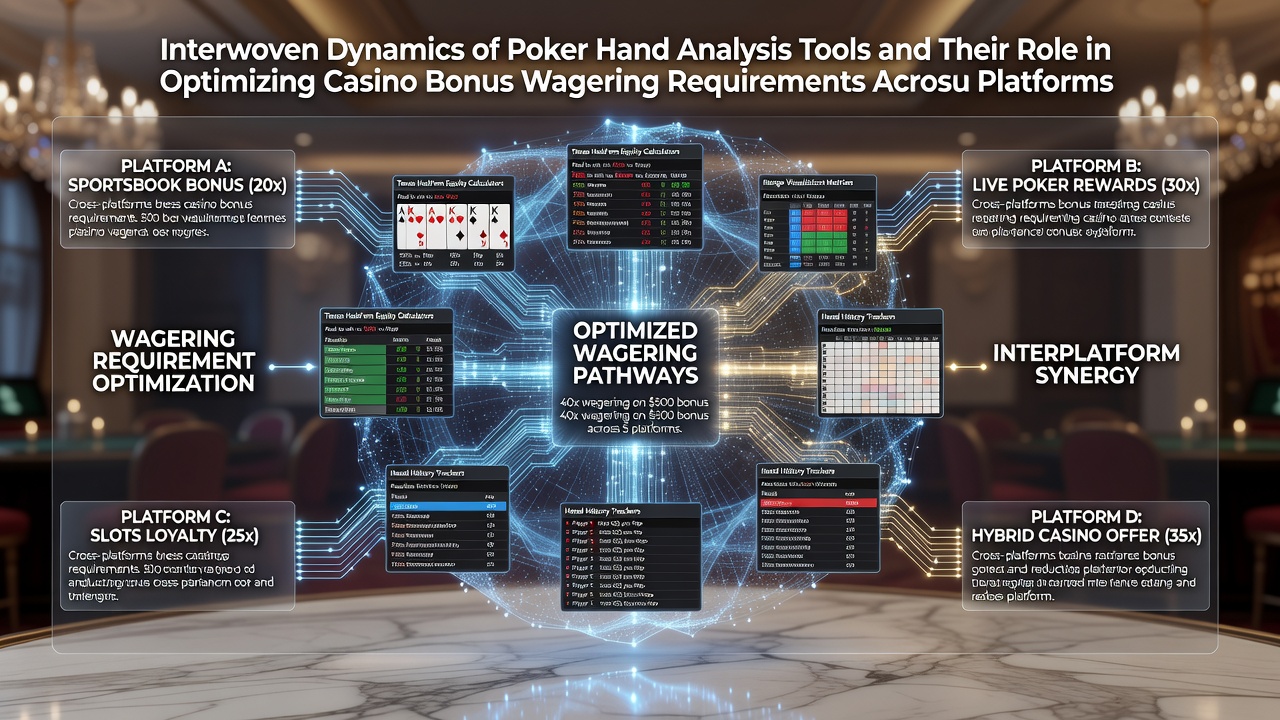
Poker Analytics Software and the Mechanics of Bonus Wagering Across Digital Platforms
Digital gambling platforms have expanded their poker offerings alongside bonus structures that require specific wagering volumes, and poker hand analysis tools now serve as resources for tracking play patterns that align with those requirements. These tools compile data from hand histories, calculate expected values across betting rounds, and generate reports on session performance, which operators use to verify compliance with bonus terms that often specify eligible game categories and minimum playthrough thresholds.
Core Functions of Modern Poker Analysis Applications
Applications such as equity calculators and solver programs process large datasets from cash games and tournaments, while they break down ranges for preflop and postflop decisions based on stack sizes and position. Users input hand histories from multiple sites, and the software outputs frequency charts along with fold-call-raise recommendations that reflect game theory optimal strategies. Reports generated by these systems include statistics on aggression frequency, continuation bet success rates, and river calling ranges, figures that players cross-reference against platform-specific bonus rules to determine which tables contribute most efficiently to required wagering totals.
Platforms operating in regulated markets like New Jersey and Pennsylvania integrate hand tracking APIs that feed directly into compliance dashboards, and this integration allows operators to monitor whether bonus funds are being applied to qualifying poker variants rather than restricted categories. Data from these systems shows that structured review sessions often lead to more consistent session lengths, which in turn helps satisfy time-based or hand-count elements embedded in some promotional offers.
Wagering Requirement Structures Across Casino Networks
Bonus terms on multi-platform ecosystems typically stipulate playthrough multiples ranging from 20x to 50x on deposit amounts, with separate contribution rates assigned to poker, slots, and table games. Poker rooms frequently assign 10 to 20 percent contribution rates toward the total requirement because rake generated from each pot already represents a revenue stream for the operator. Hand analysis tools quantify the number of hands needed to reach those multiples by estimating average pot sizes and rake percentages, producing projections that account for variance across different stake levels.
Operators in markets such as Michigan and Ontario publish quarterly reports that detail bonus redemption volumes, and these reports indicate that players who review hand data before sessions tend to maintain steadier participation rates across connected sites. The same tools also flag when certain game types, such as fast-fold poker formats, accelerate progress toward wagering goals because they produce higher hand volumes per hour compared with traditional ring games.

Cross-Platform Data Integration and Compliance Tracking
Many analysis suites now support export functions that align with the data formats required by operators in different jurisdictions, allowing users to upload session summaries to bonus tracking portals without manual reformatting. As of August 2026 several networks have adopted unified player accounts that aggregate activity across poker, slots, and live dealer tables, which means hand data from one site can influence bonus eligibility on another. Regulatory filings from the New Jersey Division of Gaming Enforcement and the Alcohol and Gaming Commission of Ontario record increasing volumes of bonus-related disputes resolved through automated verification that relies on imported hand histories.
Industry research conducted by the University of Nevada, Las Vegas International Gaming Institute outlines how algorithmic review of hand data correlates with reduced instances of bonus abuse, because players who understand optimal frequencies avoid patterns that trigger automated flags for irregular play. These studies also note that platforms using shared liquidity pools benefit when analysis tools standardize reporting across borders, since contribution rates and eligible variants remain consistent within the network.
Strategic Adjustments Based on Analytical Outputs
Players who export range charts and equity distributions into spreadsheet formats can model the expected number of hands required to clear a given bonus amount, factoring in average rake per hand and typical session duration. This modeling becomes relevant when platforms adjust contribution percentages mid-promotion or when new poker variants are added to the eligible list. Observers note that software capable of simulating thousands of hands in minutes provides clearer timelines for meeting deadlines attached to time-limited offers.
Reports from the Australian Gambling Research Centre highlight that multi-site operators increasingly require documentation of strategic preparation for higher-tier bonuses, and hand analysis records serve as one accepted form of evidence during verification processes. The same documentation helps distinguish routine play from coordinated activity across accounts, an issue addressed in recent updates to the Massachusetts Gaming Commission technical standards for online poker systems.
Conclusion
Poker hand analysis tools supply quantitative outputs that align with the mechanical requirements of bonus wagering across connected platforms, and their adoption continues to grow alongside regulatory demands for transparent play verification. Data integration between analysis software and operator dashboards supports accurate tracking of contribution rates, while cross-jurisdictional standards encourage consistent reporting formats. These developments reflect ongoing adjustments in how platforms structure promotions and how users document compliance with published terms.