Player Shifts Between Slot Volatility Levels and Live Dealer Games on Affiliate Networks
Erik Lehmann · Aug 1, 2026
Player Shifts Between Slot Volatility Levels and Live Dealer Games on Affiliate Networks
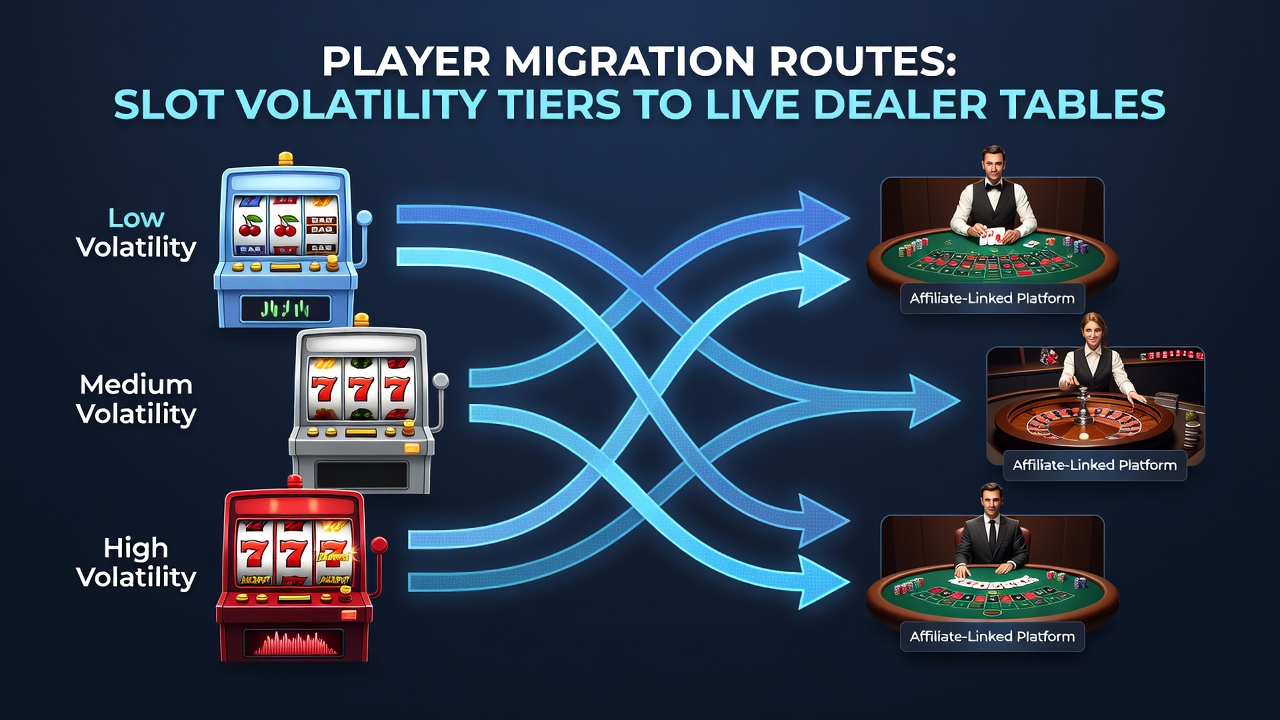
Players navigate distinct paths when moving between slot volatility tiers and live dealer tables within affiliate-linked platforms, and these routes follow observable patterns tracked across multiple operator networks. Data from industry monitoring services indicate that participants often begin with low-volatility slots for extended play sessions before progressing to medium-volatility options that offer balanced payout frequencies. Those who study these flows note that transitions accelerate when affiliate promotions highlight cross-game incentives, such as bonus credits applicable to both slot categories and table environments.
Slot Volatility Tiers and Initial Player Engagement
Low-volatility slots attract newcomers because they deliver frequent though smaller returns, which helps maintain bankrolls over longer periods. Medium-volatility titles sit in the middle range and draw players seeking occasional larger wins without extreme swings. High-volatility slots pull experienced participants who accept longer dry spells in exchange for substantial potential payouts. Observers report that affiliate platforms track these preferences through referral data, revealing consistent upward movement from low to high tiers as session lengths increase. Research from the Australian Gambling Research Centre shows participation rates in high-volatility slots rising by 18 percent among users who previously favored lower tiers during the first half of 2026.
Routes Toward Live Dealer Tables
Migration from slots to live dealer tables occurs when players seek social interaction and different pacing after extended automated play. Live blackjack and roulette tables provide real-time decisions that contrast with slot mechanics, prompting shifts once bankrolls reach certain thresholds. Affiliate-linked platforms facilitate these moves by displaying unified account balances and shared loyalty points across game types. Figures from the Canadian Gaming Association reveal that 32 percent of users who started on medium-volatility slots in affiliated environments transitioned to live dealer sessions within three months during early 2026. These transitions often happen during evening hours when live tables feature higher traffic and promotional overlays.
Influence of Affiliate Connections on Movement Patterns
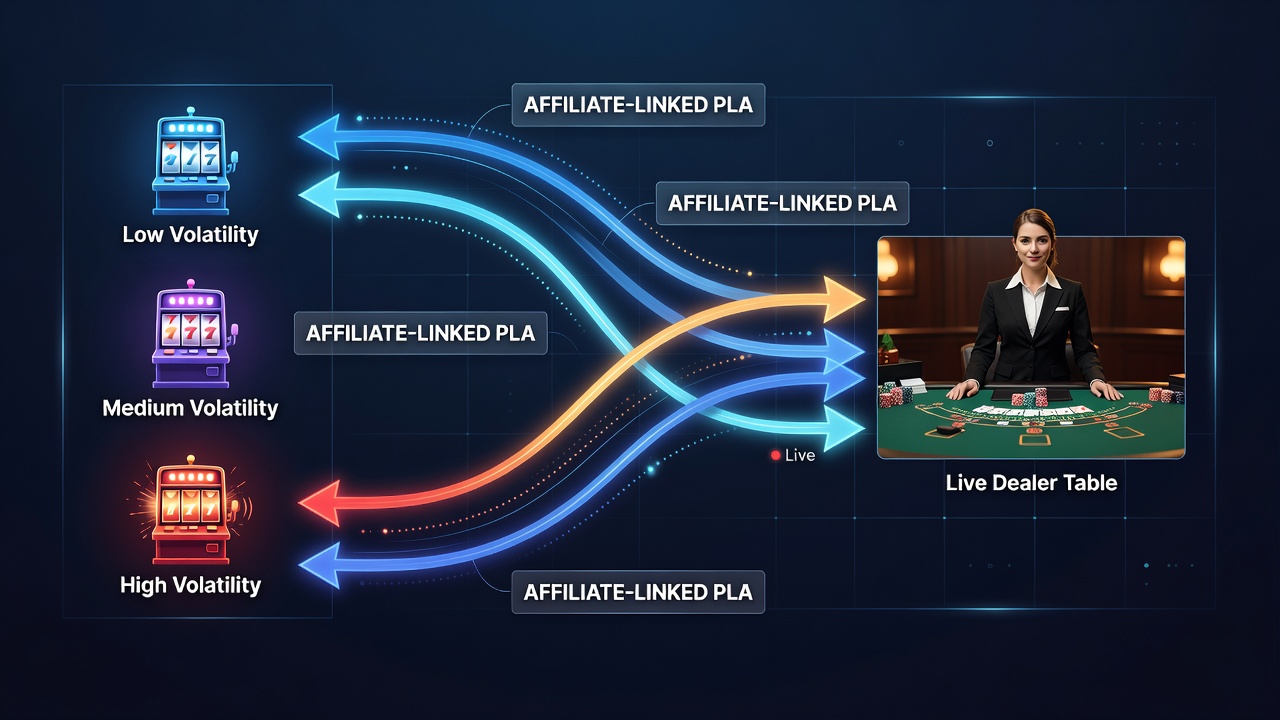
Affiliate networks link multiple casino operators and enable seamless player redirection through shared tracking systems. When one platform offers a high-volatility slot promotion, users frequently carry progress and bonuses to partner sites hosting live dealer options. This connectivity reduces friction during tier changes and table shifts. Reports compiled by the Nevada Gaming Control Board document that affiliate referrals accounted for 27 percent of live dealer table entries originating from slot-heavy accounts in the second quarter of 2026. Players who follow these routes encounter consistent interface elements and deposit methods, which supports continued movement rather than platform switching.
Seasonal and Regional Variations in August 2026
Activity levels in August 2026 showed increased migration during major sporting events when affiliate promotions bundled slot play with live table access. European operators recorded higher volumes of players moving from high-volatility slots to live European roulette after receiving targeted referral bonuses. Data released by the Singapore Casino Regulatory Authority indicated that cross-tier movements rose 14 percent compared with the prior month, driven by unified affiliate campaigns across jurisdictions. Those monitoring these trends note that time-of-day patterns also matter, with afternoon sessions favoring slot-to-table shifts and late-night activity reversing the direction back toward high-volatility slots.
Factors Affecting Route Stability
Bankroll size, game payout structures, and promotional timing determine how reliably players follow established migration routes. Larger balances correlate with quicker movement to live dealer tables, while smaller reserves keep participants within lower-volatility slots longer. Affiliate platforms adjust visibility of game categories based on aggregate data, which in turn influences individual choices. Studies published through the Journal of Gambling Studies confirm that shared reward structures across affiliated sites increase the likelihood of tier-to-table transitions by maintaining engagement momentum.
Conclusion
Player migration routes between slot volatility tiers and live dealer tables operate through measurable pathways shaped by affiliate platform linkages. Data collected across regions in 2026 demonstrate that these movements follow predictable sequences influenced by volatility preferences, promotional timing, and account connectivity. Continued tracking by regulatory bodies and research organizations provides ongoing insight into how these patterns evolve within interconnected gambling environments.