Interface Tweaks in Multi-Provider Hubs: Redirecting Flows from Reels to Tables and Back
Erik Lehmann · Jun 20, 2026
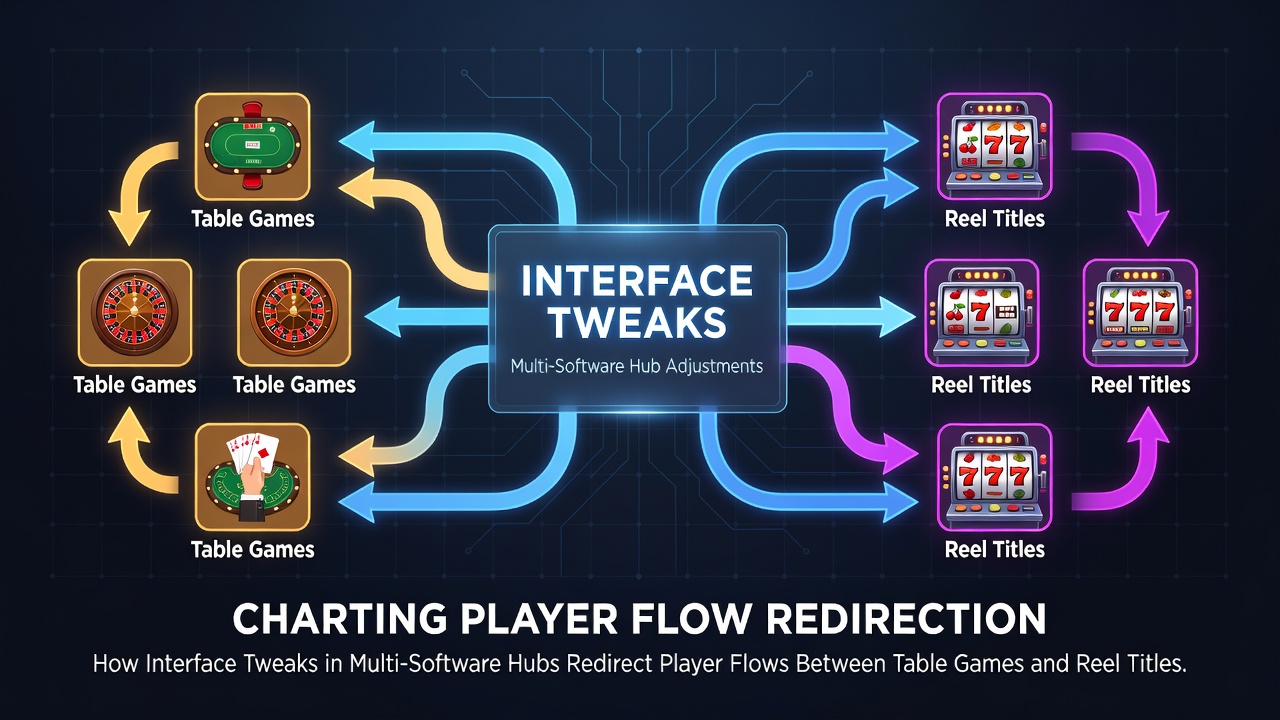
Interface Tweaks in Multi-Provider Hubs: Redirecting Flows from Reels to Tables and Back
Multi-software hubs combine games from several providers into single platforms, and small interface adjustments often steer players between reel-based titles and table games without obvious prompts. These hubs integrate slots from one studio with blackjack or roulette from another, while layout changes determine which options appear first during sessions. Data from platform analytics firms shows that repositioning recommendation carousels can shift session time allocation by noticeable margins within weeks of implementation.
Designers adjust menu structures, filter tools, and quick-access buttons to highlight certain categories. When a hub moves table game icons to the top navigation bar and slots to a secondary tab, traffic patterns change accordingly. Observers note that such modifications influence how users discover and select games, especially in environments where multiple software providers contribute content through unified lobbies.
Key Elements of Interface Design in Integrated Platforms
Navigation bars, search functions, and personalized banners form the core components that direct movement. A change as simple as adding a "Popular Tables" section next to reel thumbnails encourages transitions during active play. Providers track these interactions through heat maps and click-stream data, revealing patterns where players move from high-volatility reels toward live dealer options after encountering prominent table game prompts.
Filter systems also play a role. When hubs introduce category toggles that default to mixed views rather than segregated lists, users encounter both reels and tables in the same scroll. Research conducted by the International Gaming Institute indicates that mixed-view defaults increase cross-category exploration rates compared with strictly separated interfaces.
Observed Shifts in Player Movement Patterns
Analytics teams monitor session durations across game types following each tweak. One documented adjustment involved enlarging live table previews within the main lobby grid while reducing slot thumbnail sizes. This led to measurable increases in table game entries during evening hours across several European-facing platforms. Similar outcomes appeared in North American markets after comparable banner placements took effect.
Seasonal factors interact with these changes. During periods of higher mobile usage, swipe gestures and thumb-friendly button locations further amplify redirection effects. Platforms that optimized for portrait mode reported stronger flows toward table games because live dealer interfaces often render more favorably on smaller screens than dense reel grids.
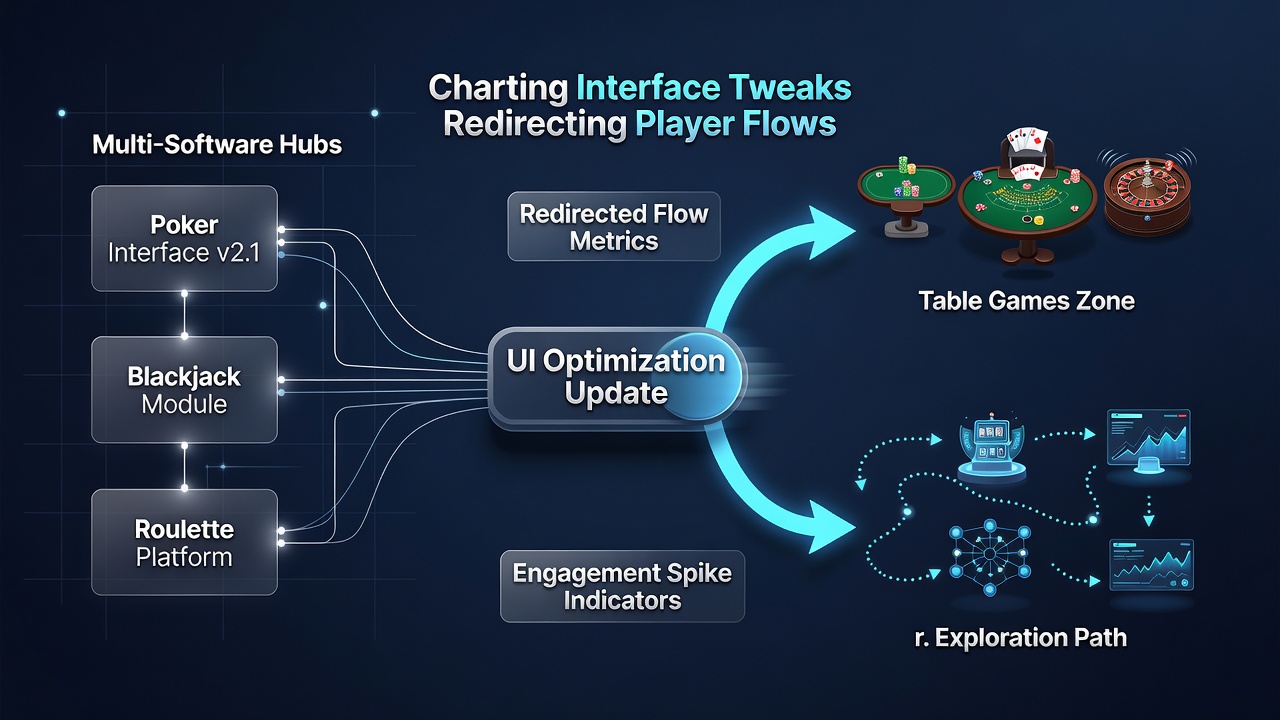
Data Insights from Mid-2026 Platform Reports
Figures released in June 2026 by regional monitoring bodies highlighted consistent redirection trends across multi-provider networks. One analysis covering Australian and Canadian operators found that A/B testing of lobby layouts produced up to 18 percent variance in table game participation depending on banner placement alone. These results aligned with earlier findings from New Jersey Division of Gaming Enforcement reports that tracked similar metrics in regulated markets.
Cross-provider hubs face additional complexity because each software studio maintains distinct visual styles. When platforms standardize button colors or unify transition animations, the consistency itself reduces friction and supports smoother movement between reels and tables. Without such standardization, players sometimes abandon sessions before completing intended transitions.
Technical Considerations Behind Effective Tweaks
Backend algorithms determine which games surface in personalized sections based on prior behavior. When these algorithms prioritize table games after a set number of reel spins, the resulting prompts appear organic rather than forced. Developers refine these triggers through iterative testing, measuring completion rates for each suggested switch.
Load times and visual hierarchy also matter. Faster-loading table game previews compared with reel intros create natural advantages for one category over the other. Platforms that equalize these technical elements while experimenting with layout see more balanced flows, according to internal metrics shared at industry conferences.
Conclusion
Interface adjustments in multi-software environments continue to shape how players allocate time between reel titles and table games. Ongoing refinements in navigation, recommendations, and visual presentation produce measurable redirection effects that operators monitor closely. As platforms evolve through 2026 and beyond, these design choices remain central to managing traffic across diverse game libraries supplied by multiple providers.