Interconnected Jackpot Webs Across State Lines Drive Slot Retention Mechanics
Ellis Koch · Jun 11, 2026
Interconnected Jackpot Webs Across State Lines Drive Slot Retention Mechanics
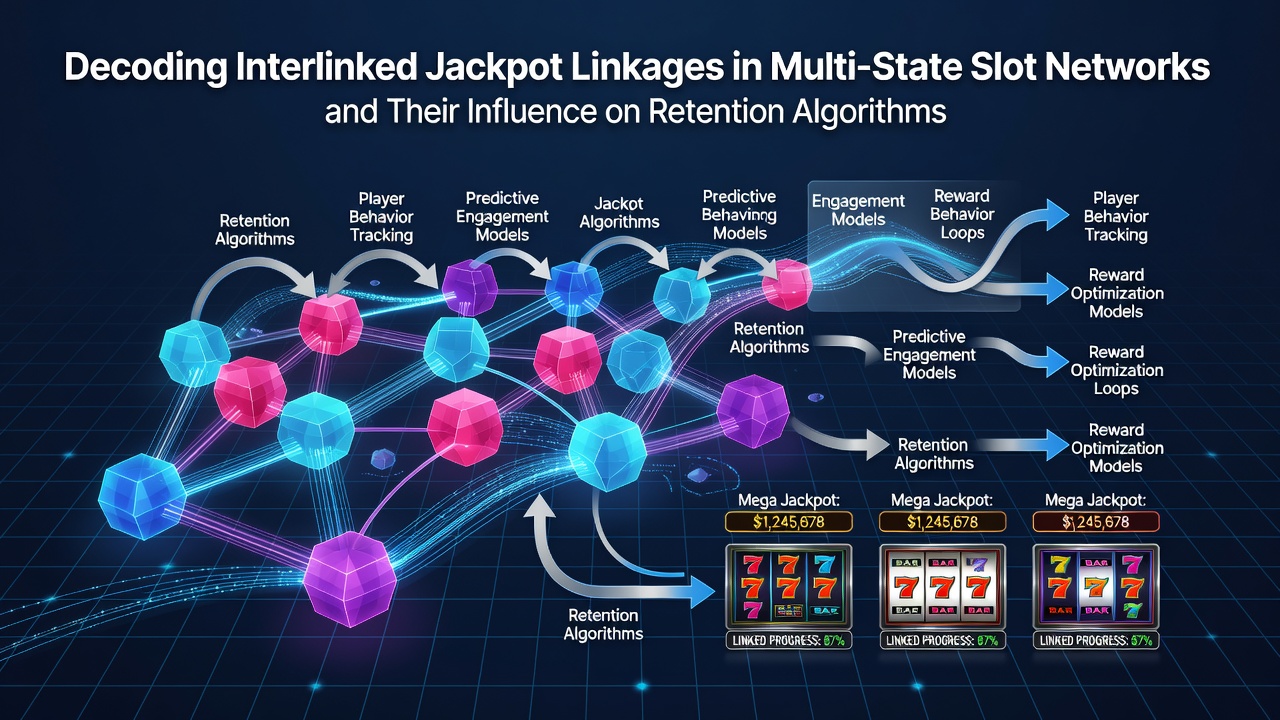
Multi-state slot networks connect progressive jackpots through shared prize pools that span different jurisdictions, and these connections feed directly into the algorithms casinos use to predict and extend player sessions. Data from regulatory filings shows that operators in states like Nevada, New Jersey, and Pennsylvania pool contributions from individual machines so a single large jackpot can grow across dozens or hundreds of locations simultaneously. This structure creates measurable effects on retention systems that track play patterns and trigger personalized offers.
Mechanics of Cross-State Jackpot Linkages
Each machine on a linked network sends a small percentage of wagers into a central pool managed by a third-party provider or consortium of operators. The jackpot amount updates in real time across all connected terminals, and software records every contribution along with the machine location and time stamp. According to reports from the Nevada Gaming Control Board, these pools reached average daily increments exceeding $2.4 million during peak periods in early 2026, with similar patterns noted in joint filings from the New Jersey Division of Gaming Enforcement.
Linkages require secure data transmission protocols that comply with each state's technical standards, and synchronization delays of even a few seconds can trigger audit flags. Software vendors maintain redundant servers in multiple regions to keep prize displays consistent, while retention algorithms pull the same live jackpot figures to adjust bonus eligibility calculations on the fly.
Retention Algorithm Inputs from Linked Pools
Retention systems ingest jackpot size, recent hit frequency, and cross-state contribution rates as core variables. When a pooled jackpot climbs past certain thresholds, algorithms increase the probability of surfacing that game title in player-facing menus or trigger targeted free-spin offers to accounts that have previously engaged with linked titles. Figures released by the Pennsylvania Gaming Control Board in June 2026 indicated that sessions involving linked progressive games showed average duration increases of 14 minutes compared with non-linked equivalents during the first quarter of the year.
These systems also monitor player location data to determine eligibility for specific state pools, since some linkages exclude or include machines based on regulatory boundaries. Machine learning models compare historical play after jackpot resets against current pool levels, then forecast the likelihood of return visits within defined time windows. Observers note that operators adjust marketing cadence when pool growth accelerates, shifting from broad notifications to individualized messages timed around predicted jackpot milestones.
Regulatory and Technical Considerations in 2026
State regulators require separate reporting for each jurisdiction's contribution share even when the prize is shared, which adds layers of reconciliation that algorithms must accommodate. The National Association of Gaming Regulatory Agencies published aggregated statistics in June 2026 showing that linked progressive systems operated across 17 U.S. states at that time, with contribution reporting frequencies ranging from every 15 minutes to once per hour depending on the agreement. Compliance teams verify that retention offers tied to these pools do not cross state lines in ways that violate licensing terms.
Technical standards from the Gaming Standards Association outline requirements for jackpot controllers to broadcast updates without exposing player-specific data, and retention platforms receive only anonymized aggregate signals. This separation keeps personal identifiers out of the shared pool while still allowing algorithms to correlate jackpot activity with session length and deposit behavior across different operators.
Observed Patterns in Player Behavior Data
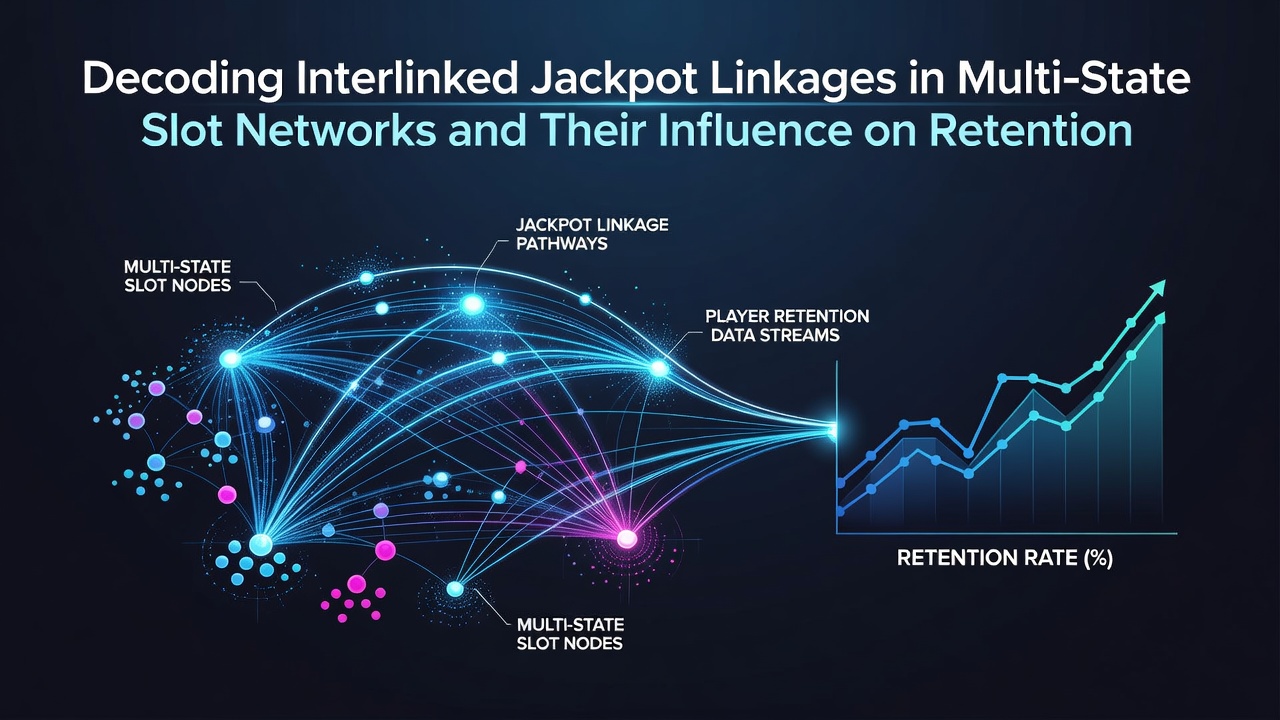
Analysis of anonymized transaction logs from multi-state networks reveals that players who engage with linked progressives exhibit higher rates of repeat deposits within 48 hours of a near-miss event on the same title. Research compiled by the University of Nevada's International Gaming Institute documented these patterns using de-identified datasets spanning 2024 through mid-2026, noting consistent correlations between pool size and login frequency among accounts classified as moderate to high volume. Retention algorithms incorporate these correlations to set the timing and value of loyalty rewards, often escalating offers when a linked jackpot exceeds historical averages for that network.
Operators also track how news of large payouts travels between states through player communities, which indirectly influences algorithm weighting for social proof elements in game recommendations. When a jackpot hits in one jurisdiction, nearby machines in adjacent states sometimes see temporary spikes in play volume even before official announcements, and systems adjust visibility rankings accordingly.
Conclusion
Interlinked jackpot structures supply retention algorithms with dynamic signals that extend beyond single-site data, and regulatory frameworks in multiple states continue to shape how those signals translate into player-facing decisions. Continued reporting from bodies such as the Nevada Gaming Control Board and academic reviews from institutions like the University of Nevada's International Gaming Institute provide ongoing visibility into these interactions as networks expand.