Exploring Algorithm-Driven Bonus Redistribution Across Linked Casino Networks
Iris Keller · Aug 25, 2026

Exploring Algorithm-Driven Bonus Redistribution Across Linked Casino Networks
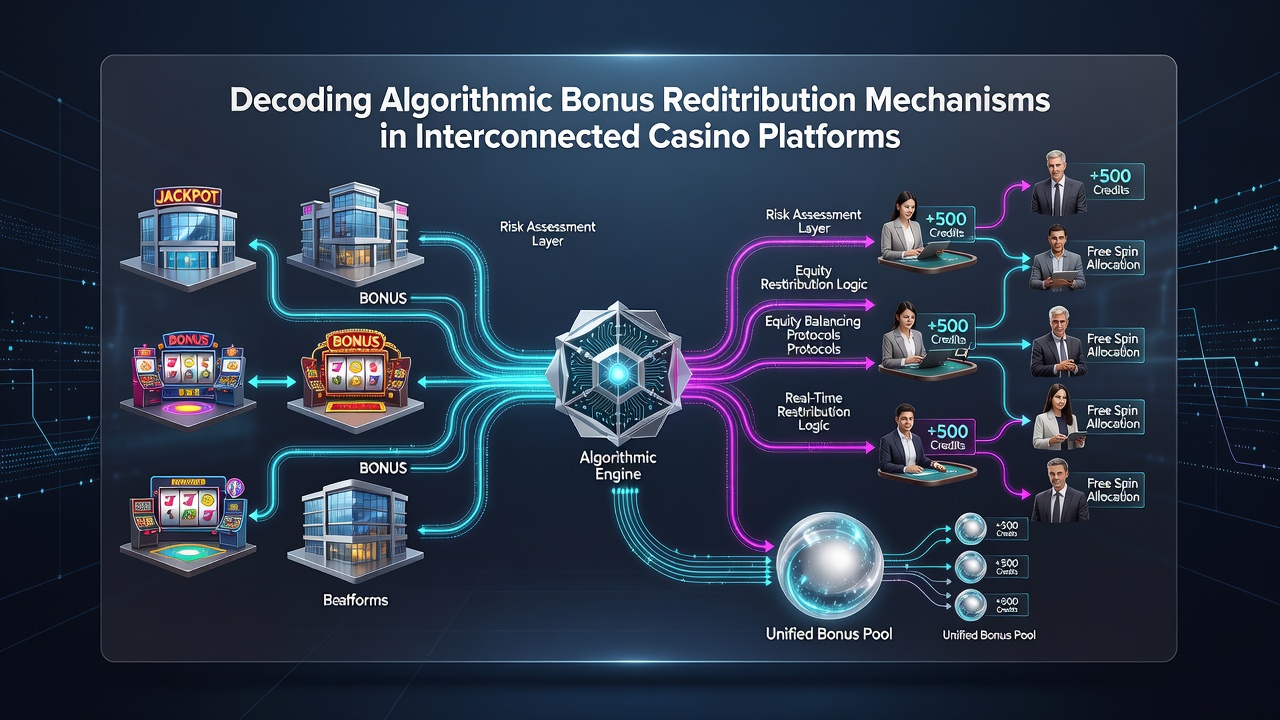
Algorithmic bonus redistribution mechanisms operate within interconnected casino platforms by analyzing player activity across multiple sites, then reallocating promotional funds according to predefined rules that balance retention incentives with operational costs, and this process has gained attention as networks expand their reach in 2026.
These systems rely on data inputs such as wager volumes, session durations, and game preferences collected from linked operators, after which central algorithms calculate redistribution percentages that direct bonuses toward players who meet specific engagement thresholds while maintaining overall platform profitability.
Core Components of Redistribution Algorithms
Centralized databases serve as the foundation for these mechanisms because they aggregate information from disparate casino environments in real time, allowing the software to identify patterns where certain user segments respond better to one type of bonus over another, and the algorithms then adjust allocations accordingly without manual intervention from individual operators.
Weighting factors play a key role here since they assign numerical values to variables like deposit frequency or game category participation, which means a player who shifts activity from slots to table games might trigger an automatic shift in available bonus types that favor the new preference, while the same system simultaneously caps total payouts to prevent over-distribution across the network.
Technical Processes Behind Allocation Decisions
Machine learning models often handle the predictive side of redistribution by processing historical data sets to forecast which bonus structures will yield higher retention rates in specific regions, and once those forecasts are generated the algorithms execute transfers between platform accounts to fund the promotions before players even notice the changes in their available offers.
Security protocols integrate at every stage to verify that redistributed amounts match the calculated outputs exactly, which prevents discrepancies that could arise from network latency or competing claims on the same bonus pool, and audit logs record each transaction for regulatory review by bodies such as the Nevada Gaming Control Board.
Integration with Multi-Provider Environments
When multiple software providers connect through shared APIs the redistribution algorithms must account for differing payout structures and volatility levels that each provider brings to the table, which requires the system to normalize data formats before any allocation occurs so that bonuses remain consistent regardless of the underlying game engine.
Observers note that this normalization step becomes particularly relevant in August 2026 as more platforms adopt cross-provider agreements to expand their game libraries, and the algorithms respond by recalibrating bonus values to reflect the combined risk profiles of all participating titles rather than treating each provider in isolation.
Regulatory and Compliance Considerations
Government agencies in various jurisdictions require transparency reports that detail how algorithmic decisions affect bonus distribution, which means operators must maintain records showing that redistribution does not favor one demographic group over another in ways that violate fairness standards, and these reports often reference aggregate figures rather than individual player data to protect privacy.
Industry organizations such as the American Gaming Association have compiled summaries of common redistribution practices that help operators align their systems with evolving standards, while academic studies from institutions like the University of Nevada, Las Vegas examine the statistical outcomes of these mechanisms across large data samples.
Case Examples from Networked Platforms
One documented instance involved a European network where algorithms detected a surge in mobile play during evening hours and responded by shifting a portion of the bonus pool toward time-limited mobile-exclusive offers, resulting in measurable increases in session length across linked sites without any direct operator input.
Another example from North American platforms showed how seasonal adjustments built into the algorithms accounted for fluctuations in player traffic during major sporting events, allowing bonus funds to move toward live dealer games when demand shifted away from slots, and the system executed these moves through automated transfers that preserved the overall budget limits set by each participating casino.
Conclusion
Algorithmic bonus redistribution in interconnected casino platforms continues to evolve as networks grow more complex, with the core processes centered on data aggregation, predictive modeling, and automated allocation that respond to player behavior across multiple sites. Regulatory oversight from diverse regions ensures these systems operate within established guidelines, while technical integrations between providers maintain consistency in how bonuses reach end users. Data from industry reports and academic analyses indicate steady refinement of these mechanisms through 2026 and beyond.