Cross-Platform Loyalty Networks Reshaping Retention in Digital Gaming Ecosystems
Iris Keller · Aug 27, 2026
Cross-Platform Loyalty Networks Reshaping Retention in Digital Gaming Ecosystems
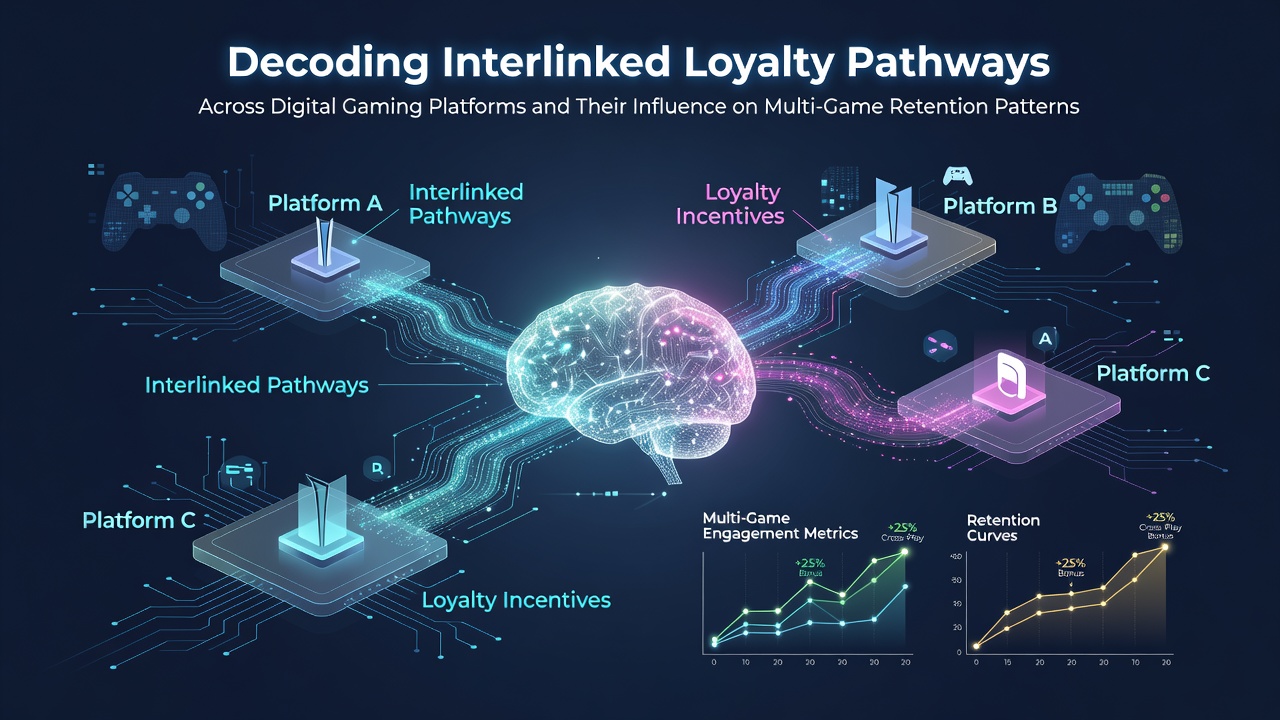
Digital gaming platforms have developed loyalty systems that connect across providers through shared reward structures, allowing players to accumulate points and benefits while moving between different titles and operators. These networks operate by linking accounts via common identifiers such as email verification or device data, which enable seamless transfer of loyalty status and rewards. Data from industry reports indicate that such connections appeared in multiple jurisdictions by mid-2026, with operators in North America and Europe integrating their systems to reduce player churn.
Mechanics of Interlinked Loyalty Programs
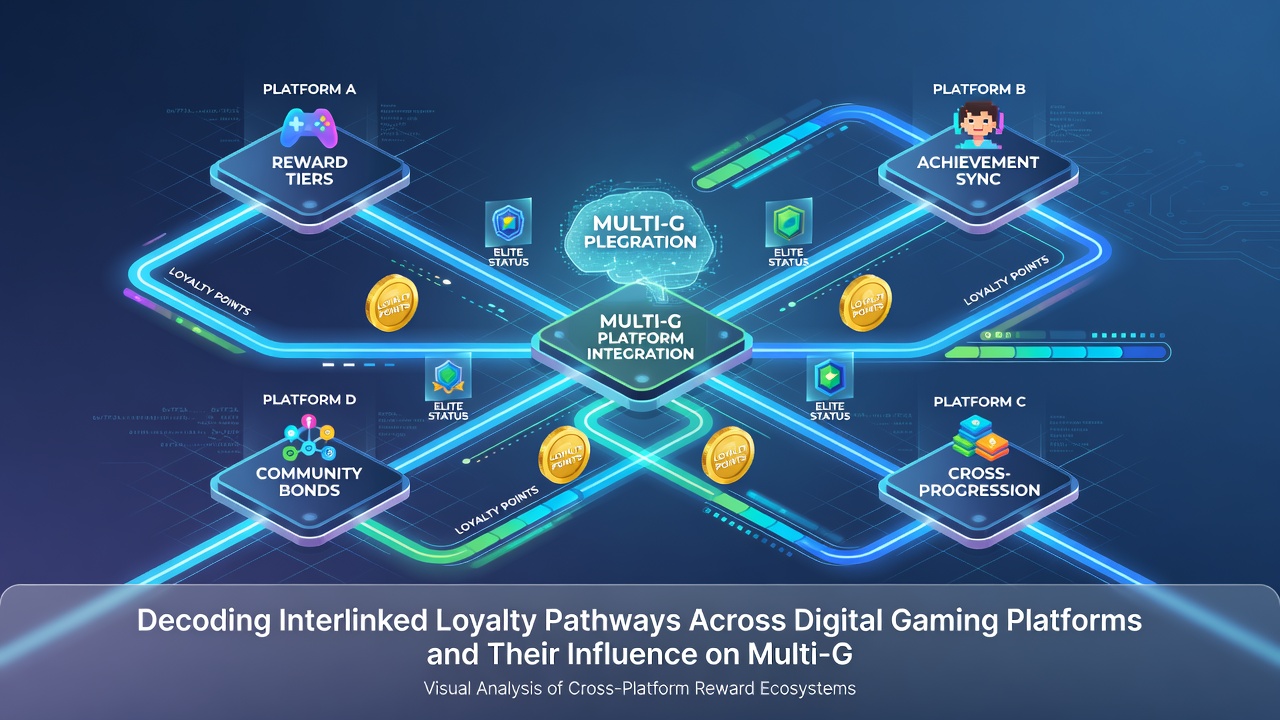
Loyalty pathways function through tiered reward levels where progress in one game contributes to status in others, often via centralized databases managed by third-party aggregators. For instance, a player earning points in a slot title on one platform can apply those points toward bonuses in a table game environment hosted elsewhere. Researchers at academic institutions have documented how these links rely on application programming interfaces that exchange player activity metrics in real time, creating unified profiles across competing software providers.
Operators use these connections to present personalized offers based on aggregated play history, which includes session duration, wager sizes, and game preferences. Figures from regulatory filings in Canada reveal that platforms participating in shared loyalty networks recorded higher average player engagement rates during the first half of 2026 compared to isolated systems. And yet the integration requires strict data sharing agreements to comply with privacy regulations in each region.
Impact on Multi-Game Retention Patterns
Retention metrics shift when loyalty pathways span multiple games because players encounter incentives to explore new titles within the network rather than switching to external operators. Studies from research groups in Australia show that interconnected systems correlate with a measurable increase in the number of distinct games played per account over a three-month period. Players who reach higher tiers through cross-platform activity tend to maintain consistent login patterns across several providers simultaneously.
One analysis of European gaming data found that retention improved when loyalty rewards included cross-game multipliers, such as bonus spins earned in one title that convert to cashback in another. These mechanisms encourage sustained activity without requiring players to restart progress on each platform separately. Observers note that platforms without such links experienced faster declines in returning users during the same timeframe.
Regional Variations and Data Trends in 2026
Regulatory approaches differ by location, which affects how loyalty networks expand. In the United States, state-level gaming commissions have reviewed data sharing practices, with some requiring disclosure of how player information moves between platforms. According to reports from the New Jersey Division of Gaming Enforcement, operators in that state reported stable multi-game participation rates tied to linked loyalty features through August 2026. Meanwhile, Canadian provincial authorities tracked similar patterns in Ontario, where aggregated loyalty data supported targeted retention campaigns.
Industry associations have compiled statistics showing that networks covering five or more game types retain users longer than single-title programs. A study referenced by the American Gaming Association highlighted that players in linked systems allocated wagers across an average of 3.2 additional titles per month. These patterns hold in markets where operators share infrastructure but maintain separate branding.
Technical and Compliance Considerations
Building interlinked pathways involves secure token exchanges and compliance with anti-money laundering rules that apply across borders. Software providers implement encryption standards to protect the data flows that power reward transfers. Those who have examined these systems point out that successful networks balance accessibility with verification steps to prevent unauthorized account linking.
Academic papers from institutions in the European Union have examined retention curves under different linkage models, finding that optional participation in shared loyalty programs yields stronger long-term results than mandatory enrollment. Data indicates players value the flexibility to opt into cross-platform benefits while controlling which activity records get shared.
Conclusion
Interlinked loyalty pathways across digital gaming platforms continue to influence how players distribute activity across multiple titles, with retention data reflecting higher consistency when rewards transfer seamlessly. Regional regulatory bodies and industry groups track these developments through ongoing data collection, providing insights into engagement patterns that evolve with technological integration. As networks expand, the focus remains on maintaining compliance while supporting the mechanics that connect player progress across diverse gaming environments.