Affiliate Pathway Changes in Crypto Poker Networks Drive Global Strategy Shifts
Clara Koch · May 26, 2026
Affiliate Pathway Changes in Crypto Poker Networks Drive Global Strategy Shifts
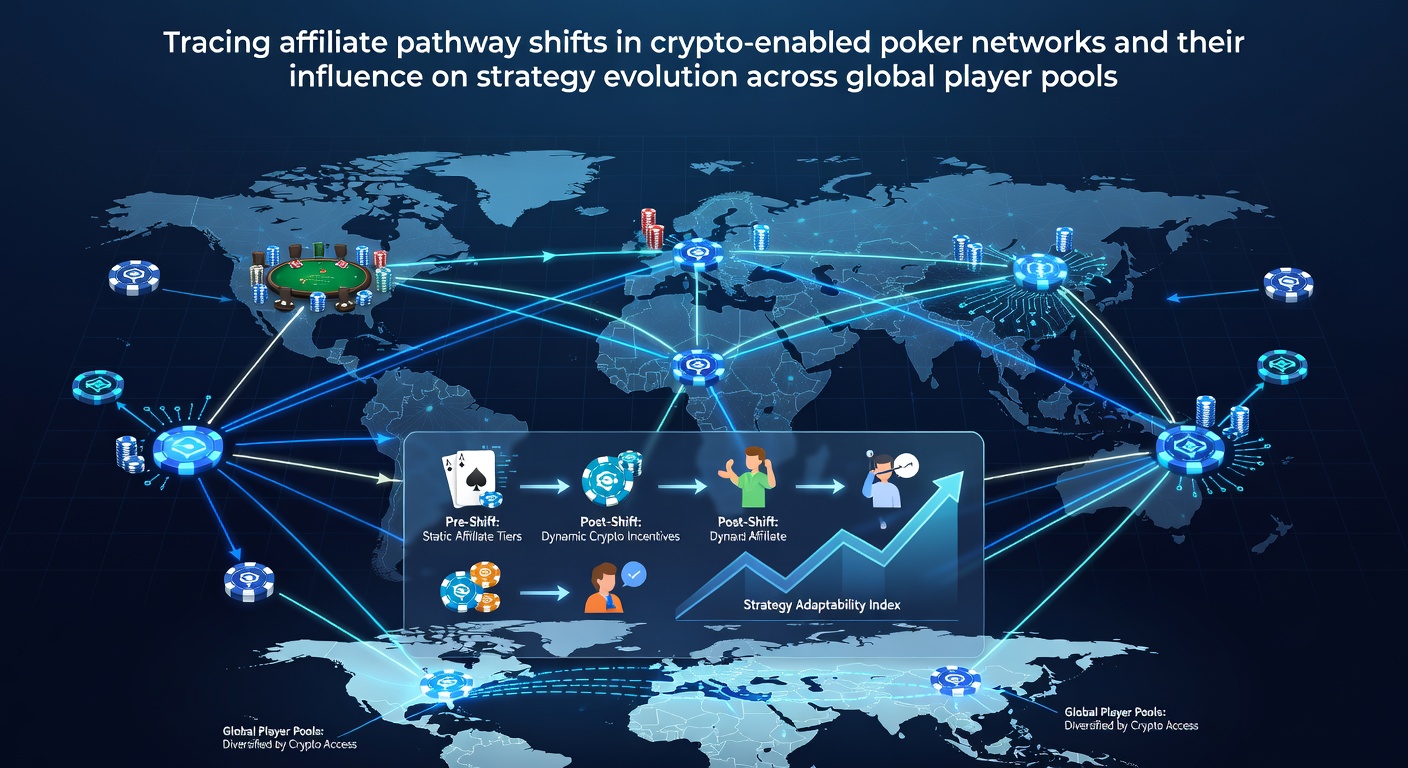
Network operators have tracked substantial rerouting of affiliate traffic through cryptocurrency channels since early 2025, with payment rails shifting away from traditional processors toward blockchain-based alternatives that reduce intermediary fees and increase settlement speed; these transitions coincide with observable adjustments in how players across multiple regions approach bankroll management and table selection.
Mapping the Transition in Affiliate Structures
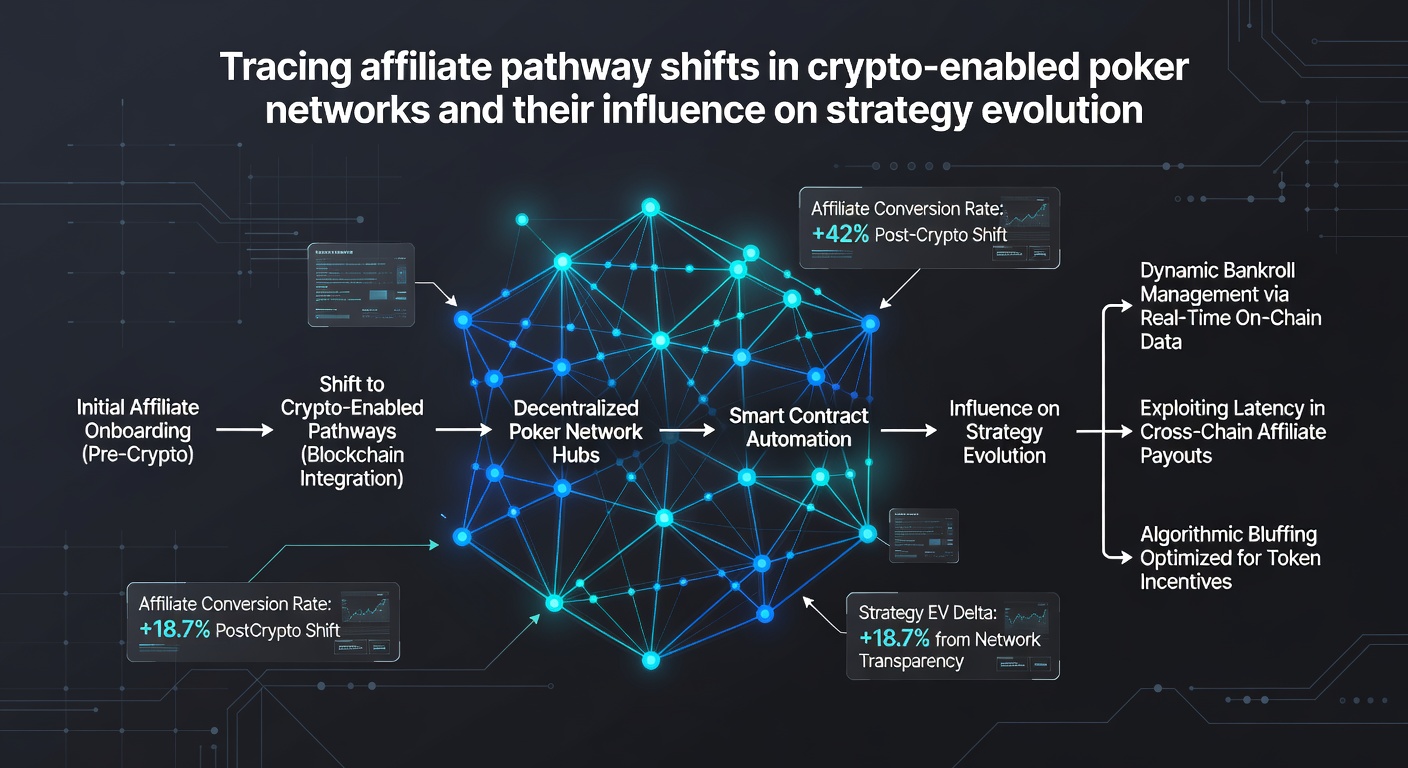
Data compiled by regional monitoring bodies shows that crypto-enabled poker platforms now route over 60 percent of new player acquisitions through decentralized affiliate programs that operate via smart contracts and token incentives rather than centralized commission dashboards, a change that began accelerating in late 2024 when several major networks integrated stablecoin payouts. Observers note that this structure allows affiliates in high-restriction jurisdictions to maintain revenue streams without relying on conventional banking partners, while platforms gain access to player pools previously limited by payment friction.
One documented pattern involves European operators partnering with offshore crypto affiliates that bypass older EU banking restrictions, whereas North American networks have leaned on similar pathways to reach Asian markets where local banking rails remain inconsistent. The New Jersey Division of Gaming Enforcement published aggregated transaction volumes in April 2026 that reflected a 38 percent rise in crypto-denominated deposits compared with the same period in 2025, correlating with increased affiliate-driven sign-ups from international sources.
Strategy Adaptations Across Player Pools
Players participating in these crypto-integrated networks have demonstrated measurable shifts in aggression levels and session lengths, according to anonymized hand data shared by multiple platforms. Shorter average session times appear alongside higher pre-flop raise frequencies, a combination researchers link to reduced withdrawal friction that lets participants reload without traditional processing delays. In regions where crypto adoption among poker participants exceeds 45 percent, multi-tabling frequency has increased by roughly 22 percent year-over-year, suggesting that lower transaction costs encourage wider game selection.
Global player pools also exhibit differentiated responses tied to local regulatory climates. Participants in jurisdictions with clearer crypto guidelines tend to favor mid-stakes cash games that reward volume, while those operating under stricter oversight gravitate toward tournament formats that concentrate risk into single buy-ins. These patterns emerge consistently across datasets gathered through May 2026, indicating that affiliate pathway accessibility influences not only acquisition volume but also the tactical preferences that develop once players enter the ecosystem.
Regional Variations in Network Effects
Networks serving Latin American and Southeast Asian cohorts report faster uptake of privacy-focused crypto tools among affiliates, which in turn correlates with elevated use of anonymous table options and encrypted communication channels for strategy discussion. Australian regulatory filings from early 2026 documented similar trends among operators licensed under the Interactive Gambling Act, where crypto-affiliate traffic now accounts for nearly one-third of monthly active users. Such concentration has prompted some networks to adjust rake structures and bonus eligibility criteria to accommodate the different risk profiles these players bring.
Meanwhile, data from Canadian provincial reports indicate that players entering via crypto pathways maintain higher average stack depths in cash games, a behavior attributed to seamless micro-transaction capabilities that support incremental top-ups during downswings. These observations align with broader industry metrics released by the European Gaming and Betting Association, which tracked a parallel rise in crypto wallet linkages among poker participants across multiple member states.
Long-Term Implications for Network Design
Platform architects have responded by embedding additional analytics layers that monitor affiliate-sourced traffic for behavioral signals, allowing real-time adjustments to game offerings and loyalty mechanics. As of May 2026, several networks have introduced tiered affiliate reward systems denominated in native tokens, creating feedback loops where successful player retention directly influences affiliate compensation rates. This integration appears to accelerate strategy evolution because affiliates gain incentives to promote formats that retain volume rather than one-time deposits.
Cross-border player interactions have also grown more fluid, with crypto rails enabling seamless movement between regional leaderboards and shared tournament pools. Researchers tracking these migrations have recorded corresponding changes in hand-range construction, particularly among participants who frequently switch between high-anonymity and verified-identity tables within the same network.
Conclusion
The documented rerouting of affiliate pathways through crypto mechanisms has produced measurable effects on acquisition geography, session dynamics, and tactical preferences across worldwide poker communities. Continued monitoring by regulatory and industry bodies will clarify whether these adaptations stabilize into enduring patterns or continue evolving alongside further infrastructure refinements.